Featured
Some Of Restoring Personal Credit History the Strategic Way
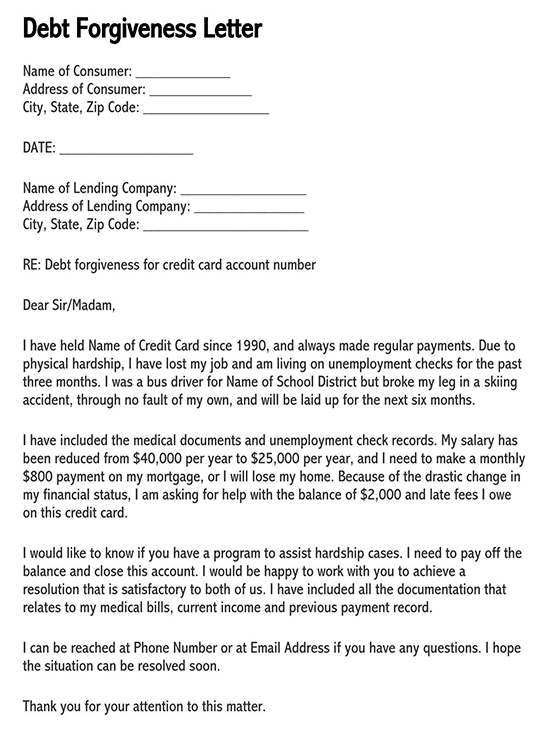
Getting My This Organization Approach to Secure Loan Forg...

The 9-Second Trick For Ongoing Assistance and Check-In Services
Table of Contents
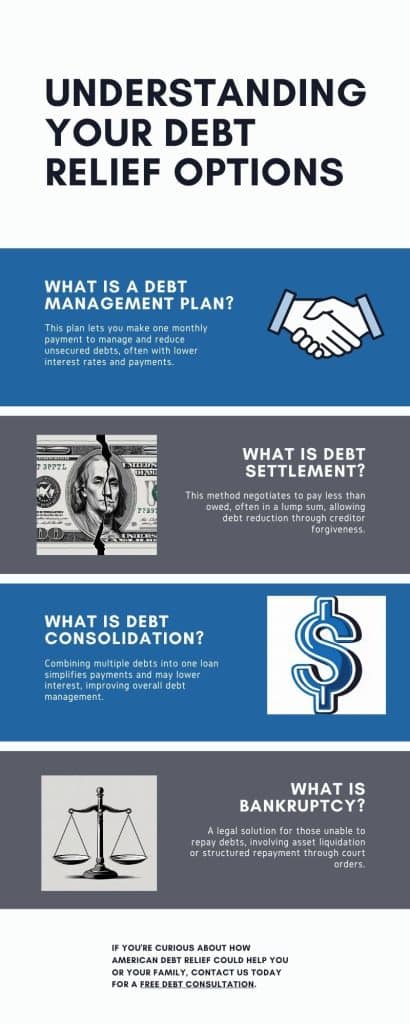
That liberates cash in the short-term, and you might have 3 to four years to save toward the settlement amount. Really harmful to credit rating, mainly as a result of missed out on payments and an unfavorable "cleared up" mark that might remain on your debt record for up to 7 yearsMay be just choice if various other options (debt consolidation, balance transfer charge card, financial obligation mercy) aren't possibleTypically needs a cost to the 3rd party, which can counter some or every one of the cost savings from financial obligation settlementMay help you prevent personal bankruptcy if you've missed out on numerous paymentsNot all financial institutions collaborate with financial debt negotiation companies Financial debt mercy may be ideal for you if you are experiencing an economic difficulty that makes it virtually difficult to pay down your financial debt equilibriums.
With a DMP, you make one regular monthly payment to the credit report therapy company. Those funds are after that distributed to financial institutions of your unsecured financial debts, such as bank card and installment loans. The company deals with your financial institutions to reduce rate of interest or waive fees, but some lenders may reject such concessions.
A debt loan consolidation loan combines your eligible financial debts into one new financing. It can aid you pay for financial obligation if you have the ability to protect a lending rate that's less than the ordinary price of the accounts you're combining. Nonetheless, you need to avoid acquiring debt on those freshly removed accounts or your debt could expand even greater.
These cards often provide a 0% passion initial period of approximately 21 months. That gives you a lot of time to get rid of or substantially lower your equilibrium while making interest-free settlements. For some people dealing with overwhelming financial obligation, personal bankruptcy might be the only method to stop collection proceedings and legally solve their financial debts.
Unknown Facts About What's Ahead for Debt Forgiveness Services
You might need it if your creditor or a collection agency ever tries to gather on the financial debt in the future. The letter could confirm you do not owe what the debt collection agency's records show. Yes, in a lot of cases, the internal revenue service takes into consideration forgiven financial obligation as taxable revenue. When a lender forgives $600 or more, they are needed to send you Type 1099-C.
Debt mercy or settlement virtually always hurts your credit report. Anytime you settle a financial debt for much less than you owe, it might show up as "settled" on your credit score report and influence your credit report for 7 years from the date of settlement. Your credit history can additionally go down considerably in the months bring about the mercy if you fall behind on repayments.
Get This Report about What to Watch For While Choosing a Debt Counseling Provider
Tax obligation debt concession programs Tax obligation financial obligation takes place when the amount of taxes you owe exceeds what you have paid. This circumstance frequently results from underreporting income, not submitting returns on time, or inconsistencies located during an internal revenue service audit. The repercussions of collecting tax debt are major and can include tax liens, which offer the IRS a legal claim to your property as security for the financial obligation.
Higher rate of interest on readily available credit. Salaries and Bank Accounts IRS can impose (seize) incomes and checking account to satisfy the financial debt. Decreased income and disruption of necessary financial processes. Residential or commercial property Seizure In severe situations, the IRS can take and sell home to cover the financial obligation. Loss of valuable possessions and prospective displacement.
Anxiety, anxiousness, and other mental health and wellness issues. Social Stigma Dealing with lawsuit from the IRS can lug social stigma. Damages to online reputation and partnerships. Employment Opportunities A poor credit history because of strain financial debt can limit job opportunity. Problem searching for or maintaining a job. Government Advantages Tax obligation debt may affect qualification for federal government benefits, such as Social Safety and Medicaid.
The 7-Minute Rule for New Laws That May Change Debt Relief Procedures
The OIC takes into consideration a number of elements, including the taxpayer's income, expenditures, property equity, and capability to pay. Effectively negotiating an OIC can be intricate, needing an extensive understanding of the IRS's guidelines and a solid debate for why your offer lines up with your capacity to pay. It is very important to keep in mind that not all applications are approved, and the procedure requires thorough monetary disclosure.
The internal revenue service analyzes your general economic circumstance, including your income, expenditures, possession equity, and capacity to pay. You must also be present with all declaring and payment requirements and not remain in an open personal bankruptcy case. The IRS also considers your conformity background, examining whether you have a record of timely declaring and paying tax obligations in previous years.
Facts About Complimentary Accessible Can You Remove Collections from Your Credit Report Without Paying? : APFSC Workshops for Families Uncovered
The application procedure for a Deal in Concession entails numerous thorough steps. First, you need to finish and send internal revenue service Form 656, the Offer in Compromise application, and Type 433-A (OIC), a collection details declaration for individuals. These kinds need detailed economic information, consisting of information about your earnings, financial obligations, expenses, and assets.
Back tax obligations, which are unpaid tax obligations from previous years, can substantially raise your overall IRS financial obligation if not resolved quickly. This financial debt can accumulate interest and late repayment charges, making the original amount owed much bigger in time. Failure to repay taxes can result in the internal revenue service taking enforcement actions, such as issuing a tax obligation lien or levy against your home.
It is necessary to attend to back tax obligations immediately, either by paying the full amount owed or by organizing a repayment strategy with the IRS. By taking positive steps, you can avoid the buildup of additional interest and charges, and protect against a lot more aggressive collection activities by the IRS.
One common reason is the belief that the taxpayer can pay the sum total either as a round figure or with a layaway plan. The internal revenue service also considers the taxpayer's earnings, costs, possession equity, and future earning capacity. If these aspects show that the taxpayer can pay for to pay more than the supplied quantity, the IRS is likely to turn down the offer.
The Main Principles Of Market Trends for Debt Forgiveness Services
Dealing with IRS financial obligation can be complicated and challenging. Tax obligation professionals, such as CPAs, tax lawyers, or enrolled agents, can give invaluable help.

Table of Contents
Latest Posts

The Facts About Understanding When Bankruptcy Counseling Suggests Debt Management or Forgiveness Instead in Today's Economy Uncovered

Some Of Restoring Personal Credit History the Strategic Way
First Consultation with Professionals for Dummies
More
Latest Posts
Some Of Restoring Personal Credit History the Strategic Way
First Consultation with Professionals for Dummies